
Не дозволяйте інвертору з'їсти ваші сонячні заощадження: Практичний посібник з домашніх сонячних інверторів
Від hqt
2026.06.11Пов'язані дописи
SANDISOLAR співпрацює з Jinko Solar для реалізації автономного сонячного та акумулюючого проєкту потужністю 10,7 МВт
23 вересня 2026 року
48V 6kW позамережевий інвертор: чому акумуляторні системи на 48V є поширеними для сонячних систем з високою потужністю
31 серпня 2026 року
Встановлення сонячних систем у житлових будинках: технічне підбор, підбор систем і керівництво з монтажу
31 серпня 2026 року
Кожен промінь сонця має стати корисною енергією для вашого дому. Але прихований «енергоспоживач» — ваш домашній сонячний інвертор — може тихо витратити значну частину. Розуміння ефективності та ключових показників ефективності є необхідним для максимізації віддачі інвестицій.
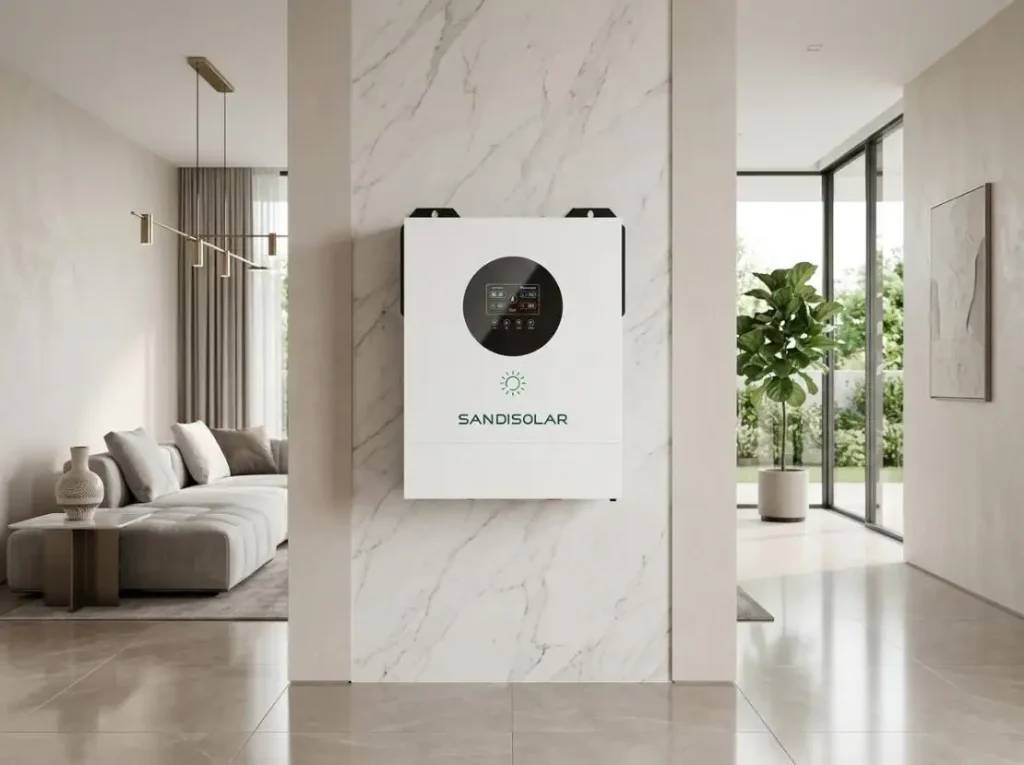
У цій статті розглядаються основні метрики та показано, як SANDISOLAR SD-48110P-EUвикористовує передовий дизайн, щоб мінімізувати енергетичні витрати.
Чому ефективність інвертора важливіша, ніж ви думаєте
Домашній сонячний інвертор виконує одну основну функцію: перетворює постійну електроенергію з ваших сонячних панелей на змінний струм, який можуть використовувати ваші побутові прилади. Частина енергії завжди втрачається через тепло. Чим ефективніший продукт, тим менше енергії втрачається.
• Нижча ефективність = Нижча економія: 95% ефективний інвертор втрачає 5% від кожного кВт·год, які ви виробили панелі. Після 25 років це може коштувати тисячі доларів.
• Економія коштів може бути досягнута завдяки вищій ефективності: підвищення ефективності з 96% до 98% створює додаткові 2% без додаткових витрат.
• Ефективність багатогранна: різні інвертори можуть мати різну ефективність залежно від навантаження та умов. Окрім ефективності, слід враховувати додаткові фактори.
Пікова ефективність проти зваженої ефективності
Виробники зазвичай вказують лише одне число для «пікової ефективності», але це лише одна частина ефективності інвертора.
• Пікова ефективність: це описує ефективність інвертора за найкращих умов, які також становлять 30-50% від загального навантаження. Це виглядає чудово у звітах, але рідко є реальною цілодобовою ефективністю.
• Зважена ефективність CEC (Каліфорнійська енергетична комісія): Це моделює реальні умови — ранок, полудень, післяобідній час та змінну інтенсивність сонця. Це набагато чесніший показник.
• європейська ефективність (EU EFF): подібна до CEC, але зважена для типових європейських сонячних профілів. Для позамережевого та житлового використання важлива ефективність — це справді важливо.
MPPT Ефективність: Тихий злодій сонячної енергії
Максимальне відстеження потужності (MPPT) — це алгоритм, який постійно коригує електричне навантаження, щоб отримати максимальну можливу потужність із ваших сонячних панелей. Погана продуктивність MPPT може тихо «з'їсти» 5-15% потенційної генерації — навіть якщо ефективність конвертації інвертора виглядає добре.
• Відстеження ефективності порівняно з ефективністю перетворення: інвертор може перетворювати постійний струм у змінний струм на 97%, але якщо MPPT отримує лише 94% доступної потужності панелі, загальна ефективність системи падає до 91%.
• Два MPPT-трекери віддають перевагу над одним: для дахів з кількома орієнтаціями або частковою затіненню, подвійні MPPT-трекери означають, що кожен масив може працювати на оптимальній напругі. Це також запобігає впливу одного затіненого рядка на всю систему.
• Швидкість реакції MPPT: Швидкий MPPT може адаптуватися до хмарності або рухомої тіні за секунди, а не за хвилини. Повільні MPPT-трекери неодноразово пропускають оптимальний стан через втрату часу на відстеження.
SANDISOLAR SD-48110P-EU оснащений подвійним MPPT сонячним зарядженням і інтегрованим MPPT контролером 160A. З такою конструкцією, навіть із частковим затіненням або значною різницею в орієнтації масиву, кожен MPPT-канал має власну точку живлення, і енергія не втрачається.
Діапазони та межі MPPT: чому вищий рівень — це краще
Більша гнучкість передбачена для MPPT з ширшим діапазоном вхідних напруг постійного струму та меншими втратами енергії завдяки проводці масиву.
• Більша максимальна вхідна напруга PV (наприклад, 500 В постійного струму): дозволяє з'єднувати більше панелей послідовно, менше проводки, а також ширший діапазон моментів для початку заряджання вдень.
• Широкий діапазон напруги MPPT: Відстеження має залишатися ефективною, коли напруга на панелі знижується в спекотний день або коли температура падає вночі. Вузький радіус дії змушує передчасне вимкнення.
• Стартова напруга: Чим нижча стартова напруга, тим швидше інвертор починає виробляти електроенергію на сході сонця. Це додає кілька хвилин генерації щодня, що дає понад рік.
SD-48110P-EU приймає до 500 В постійний струм PV, що є надзвичайно високим показником для автономного домашнього сонячного інвертора. Це дозволяє використовувати довші послідовні струни, тоншу проводку постійного струну та збирати вранці / пізно ввечері.
Теплові характеристики та зниження рівня: Тепло — ворог
Коли інвертор надто нагрівається, він навмисно знижує свою вихідну потужність — процес, який називається зменшенням. Зниження енергії безпосередньо споживає ваше сонячне виробництво у найсонячніші та найспекотніші дні, коли вам найбільше потрібна енергія.
• Робочий температурний діапазон: Шукайте інвертори з розрахуванням не менше -10°C до 50°C без зниження температури. Деякі високоякісні пристрої надійно працюють при температурі до 60°C.
• Активне та пасивне охолодження (вентилятори проти радіаторів): Вентилятори хороші, але можуть виходити з ладу і споживати кілька ват. Великі та добре спроєктовані радіатори безшумні та надійніші.
• Крива зниження показника: перевірте технічні характеристики, при 45°C навколишній інвертор все ще дає 100% потужності? Якщо він зменшується до 80%, ви втратите п'яту частину своєї потужності.
Інвертор SANDISOLAR розроблений для забезпечення оптимального охолодження та надійної роботи навіть у найсуворіших умовах, забезпечуючи роботу вашого домашнього сонячного інвертора навіть у літню спеку.
Очікування та нічне споживання: Таємне навантаження вампірів
Інвертор все одно споживає енергію від батареї або мережі, навіть коли сонце не світить. Цей «вампірський натовп» може тривати цілий день, щодня.
• Низька потужність у режимі очікування (менше 20 Вт): Хороші інвертори споживають 10-25 Вт при очікуванні сонячного вхіду. Погані конструкції можуть споживати 50 Вт або більше — це понад 400 кВт·год на рік.
• Автоматичне вимкнення живлення вночі: деякі домашні сонячні інвертори переходять у режим глибокого сну, коли не потрібні PV або акумуляторні потужності, зменшуючи споживання до менше 5 Вт.
• Розумне пробудження: інвертор має автоматично прокидатися, коли сонячна напруга повертається вранці, без ручного втручання.
Управління батареєю та оптимізація життєвого циклу
Для автономних і гібридних систем алгоритм заряджання батареї інвертора безпосередньо впливає на кількість корисної енергії, яку ви отримуєте з вашого банку зберігання.
• Активація літієвої батареї: Багато літієвих батарей переходять у «режим сну» після повного розрядження. Інвертор із вбудованою активацією (з використанням фотоелектричного або комунітарного живлення) може розбудити їх без спеціальних інструментів.
• Оптимізація еквалайзера (еквалізації): Для свинцево-кислотних або деяких літієвих хімічних продуктів періодичне вирівнювання запобігає дисбалансу клітини та продовжує циклічний цикл.
• Протокол зв'язку (RS485, шина CAN): Домашній сонячний інвертор, який безпосередньо взаємодіє з вашим BMS (Battery Management System), забезпечує правильну напругу заряджання та запобігає надмірному розряду.
SANDISOLAR SD-48110P-EU включає активацію літієвої батареї через фотоелектричну або утилітарну та функції оптимізації еквалайзера. Він також підтримує комунікацію акумулятора LiFePO4 через RS485, що максимізує термін служби батареї та безпеку — щоб ваша накопичена енергія не була «з'їдена» передчасним розрядженням батареї.

Паралельні можливості та масштабованість: Забезпечте свою систему майбутньою
Домашній сонячний інвертор, який підтримує паралельну роботу, дозволяє починати з малого і розширювати пізніше, не замінюючи основне обладнання.
• Паралельно до 6 одиниць: один інвертор потужністю 11 кВт може бути приєднаний до п'яти інверторів, що дає загалом 66 кВт. Адаптивна ємність акумулятора та збільшення енергії тепер простіші.
• Розподіл навантаження: Балансування навантаження між паралельними інверторами дозволяє мінімізувати деформацію окремої одиниці.
• Резервування: Підтримка живлення та темний дім гарантована, оскільки решта пристроїв продовжує працювати, якщо один інвертор перебуває на обслуговуванні.
Паралельно може використовуватися до шести одиниць SD-48110P-EU. Гнучкість не має собі рівних на ринку для малих комерційних і житлових застосувань.
Подвійний вихід змінного струму: акцент на критичних навантаженнях
Під час відключення електроенергії деякі прилади важливіші за інші. Інвертори, які забезпечують подвійні виходи змінного струму, дозволяють розрізняти критичні навантаження та всі інші дискреційні навантаження.
• Основний вихід: підтримує весь будинок, якщо батареї та сонячна енергія достатні.
• Вторинний вихід: підтримує критичні навантаження і може бути налаштований виключно для критичних навантажень за умови обмежених запасів батарей.
• Планування за часом використання: Вторинний вихід можна запланувати так, щоб не підтримувати навантаження протягом обмежених годин, розширюючи критичну підтримку навантаження інвертора.
Ця можливість розроблена в межах SANDISOLAR, який забезпечує підтримку для визначення найкращого використання заданої енергії.
WiFi та моніторинг вбудовані: знання — це сила
Ви не можете вирішити проблему без її кількісної оцінки. Інвертори з дистанційним моніторингом дають можливість виявити енергетичні неефективності до того, як вони понесуть витрати.
• Дані в реальному часі: навантаження, генерація, стан заряду, споживання та взаємодія з мережею можна переглядати в реальному часі.
• Сповіщення та діагностика: падіння ефективності, відмови вентиляторів і відмови MPPT трекерів бачать у режимі реального часу і надсилаються вам негайно електронною поштою або push-повідомленнями.
• Оновлення прошивки: Помилки можна виправляти та покращувати алгоритми без візиту на місце завдяки віддаленим оновленням.
SANDISOLAR SD-48110P-EU має вбудований WiFi, що дозволяє віддалено контролювати ваш домашній сонячний інвертор. Приховані проблеми з продуктивністю більше не застануть вас зненацька.
Об'єднання всього разом: приклад із реального світу
Тепер уявіть, наприклад, дві житлові сонячні системи потужністю 10 кВт, кожна з однаковими панелями та батареями. Єдина різниця — це інвертор у кожній системі.
• Інвертор A: 96% пікової ефективності, один MPPT, максимальний PV 350V, відсутність інтеграції батареї, віддаленого моніторингу.
• Інвертор B (SANDISOLAR SD-48110P-EU): Подвійний 160A MPPT, 500V PV вхід, інтеграція батареї RS485, вбудований WiFi, готовий паралельний, два виходи змінного струму.
«Пожирач енергії» зазнає поразки.
Висновок
Пам'ятайте, що домашній сонячний інвертор — це не товар. Це точний інструмент. The SANDISOLAR SD-48110P-EUмає 500V PV вхід, два 160A MPPT, інтеграцію батарей, RS485, WiFi та паралельне підключення 6 блоків. SD-48110P-EU не витрачатиме ваші сонячні заощадження даремно, тож навіщо інвертору це робити?
Поширені питання
Питання 1: Що означає MPPT?
Відповідь: MPPT — це відстеження максимальної потужності.
Питання 2: Чому важлива ефективність інвертора?
Відповідь: При вищій ефективності інвертора менше енергії витрачається, а отже, загалом використовується менше енергії.
Питання 3: Чи може інвертор потужністю 11 кВт живити весь мій будинок?
Відповідь: В основному, так. Враховуючи всю техніку та кондиціонер, це покриває загальні потреби.
Питання 4: Чому наявність двох MPPT є такою перевагою?
Відповідь: Вона покриває різні панелі, які можуть бути розташовані під різними кутами. Це також добре для панелей, які затіняються.
П5: Чому паралельна робота є доброю?
Відповідь: Це можна зробити за допомогою шести інверторів, і це дає можливість додаткової резервної резервної резервності.


Зв'яжіться з нами
У цій статті
Пов'язані дописи
SANDISOLAR співпрацює з Jinko Solar для реалізації автономного сонячного та акумулюючого проєкту потужністю 10,7 МВт
23 вересня 2026 року
48V 6kW позамережевий інвертор: чому акумуляторні системи на 48V є поширеними для сонячних систем з високою потужністю
31 серпня 2026 року
Встановлення сонячних систем у житлових будинках: технічне підбор, підбор систем і керівництво з монтажу
31 серпня 2026 року