
6 розумних функцій, які повинен мати найкращий інвертор з чистою синусоїдою
Від hqt
2026.06.15Пов'язані дописи
SANDISOLAR співпрацює з Jinko Solar для реалізації автономного сонячного та акумулюючого проєкту потужністю 10,7 МВт
23 вересня 2026 року
48V 6kW позамережевий інвертор: чому акумуляторні системи на 48V є поширеними для сонячних систем з високою потужністю
31 серпня 2026 року
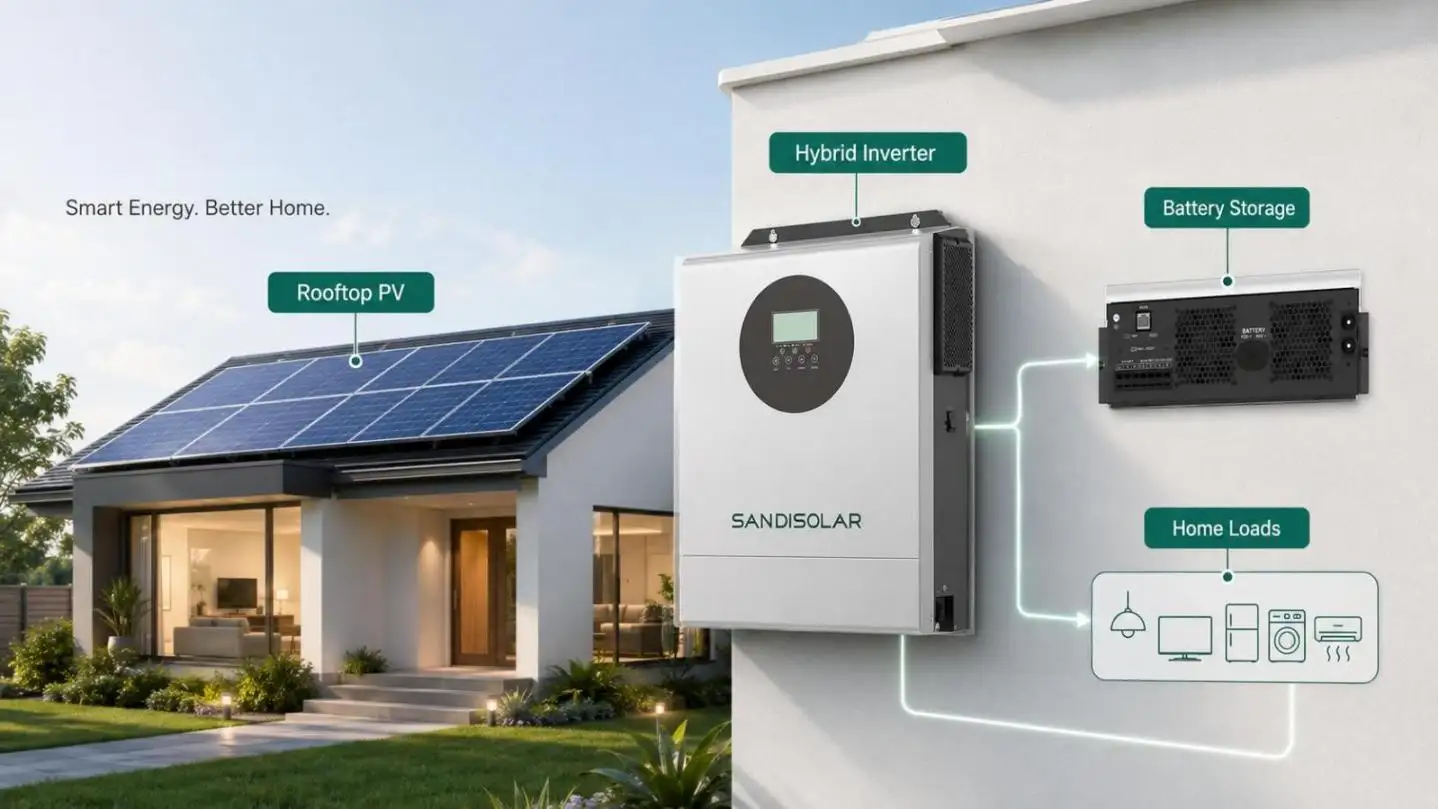
Встановлення сонячних систем у житлових будинках: технічне підбор, підбор систем і керівництво з монтажу
31 серпня 2026 року
Більшість покупців, які шукають найкращий інвертор з чистою синусоїдою, зазвичай орієнтуються лише на вихідну потужність і чистоту форм хвиль. Однак сучасні автономні та резервні енергосистеми потребують набагато більше від побутових приладів. У справжньому сенсі Найкращий інвертор з чистою синусоїдою поєднує розумне управління, обслуговування батареї, віддалений доступ і енергетичну гнучкість.
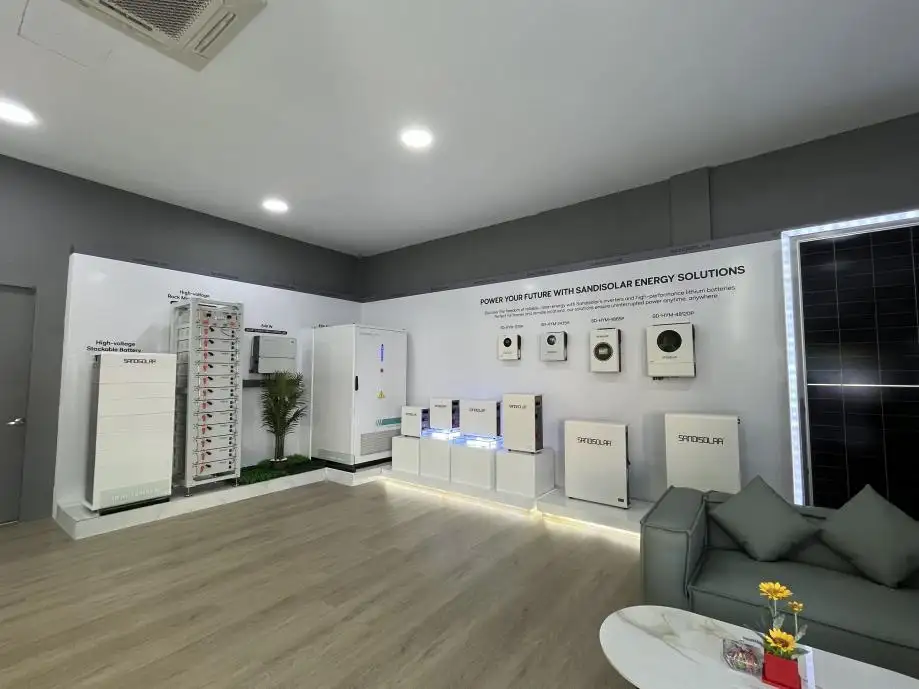
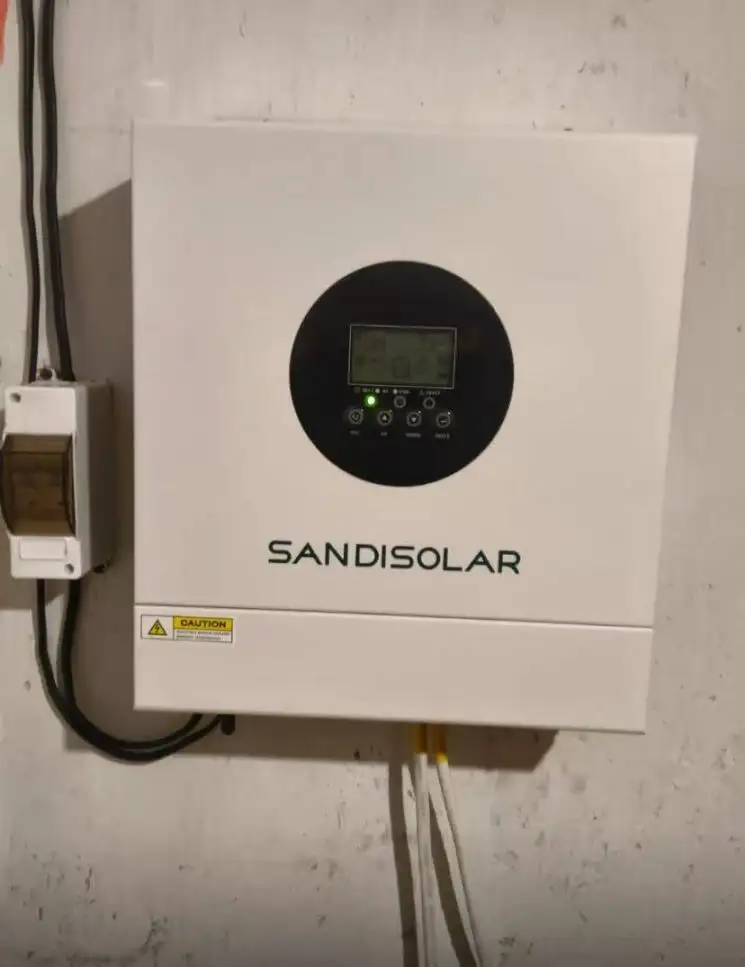
У цій статті розглядаються шість розумних функцій, які є уособленням видатної технології інвертора з чистою синусоїдою. Як приклад реалізації цих функцій, ми використаємо сонячний інвертор SANDISOLAR SD 11 кВт 48V Pure Sine Wave Off-grid з WiFi (Модель: SD-48110W-EU), що є продуктом із багатьма подібними характеристиками.
1. Подвійні MPPT трекери з високострумним зарядженням
Сонячне застосування інвертора Best Pure Sine Wave Inverter має бути спроектоване так, щоб захоплювати якомога більше енергії від фотоелектричних (фотогальванічних) панелей, особливо якщо панелі не знаходяться у фіксованому положенні або зазнають перешкод через деяке затінення.
• Система Dual MPPT (Максимальне відстеження точки потужності):
Забезпечує можливість встановлення двох незалежних фотоелектричних масивів, керованих інвертором. Отже, фотоелектричний масив на сході та другий масив на заході можуть незалежно контролювати оптимальну напругу та струм, а фотоелектричні системи, що використовують один MPPT, зазнають значних втрат ефективності.
• Вбудований зарядний струм 160A:
Батареї з глибоким циклом понад 400Ah повністю заряджаються за кілька годин, при цьому струм заряджання становить лише кілька годин сонячного світла 160A.
• Практична користь:
SANDISOLAR SD-48110W-EU пропонує 11 кВт PV вхіду з зарядкою 160А. SD-48110W-EU є чудовим вибором для живлення автономних будинків, майстерень і ферм, особливо там, де потрібне швидке відновлення.
2. Великий діапазон вхідної напруги PV (60-500 В постійного струму)
Багато стандартних інверторів мають вузьке вікно напруг, що змушує монтажників налаштовувати проводку панелей певним чином. Інвертор Best Pure Sine Wave має широкий асортимент, що дає монтажникам більше варіантів і більшу безпеку дизайну.
• Нижча стартова напруга (60 В постійного струму):
Це означає, що інвертор має здатність захоплювати сонячну енергію набагато раніше вдень і навіть продовжує збирати енергію після заходу сонця. Інвертор здатен збирати енергію навіть у дуже похмурі дні, коли освітлення слабке. Це означає, що інвертор набагато ефективніше фіксує енергію на межі дня порівняно з інверторами з вузьким діапазоном.
• Вища максимальна напруга (500 В постійного струму):
З набагато довшими рядами фотоелектричних панелей ми можемо усунути потребу в дорогих комбінаторних коробках. Підвищена напруга також означає зменшення проводки та зниження коефіцієнта зниження навантаження.
• Безпека та сумісність:
Діапазон 60-500V ідеальний, оскільки він підходить для стандартних житлових (30-40Voc) та комерційних високовольтних панелей.
3. Активація літієвої батареї (PV або utility)
Літій-залізфосфатні (LiFePO₄) батареї поширені в сучасних автономних системах, але при глибокому розрядженні вони можуть переходити в режим «сну» або «захисту». Не всі інвертори можуть їх розбудити.
• Автоматичне активування від фотоелектричної або утилітальної системи:
Найкращий інвертор з чистою синусоїдою повинен включати функцію активації літієвої батареї. Коли BMS батареї відключається через низьку напругу, інвертор використовує невелику кількість сонячної або мережевої енергії, щоб надіслати сигнал пробудження BMS, відновлюючи нормальну роботу.
• Чому це важливо:
Якщо цього квадрата немає, доведеться коротко замикати клеми акумулятора або скористатися зовнішнім зарядним пристрійом. Обидва варіанти є небезпечними та незручними. Під час віддалених походів це стає ще більшим кошмаром. З автоматичною функцією ви зможете дихати трохи легше.
• Приклад у реальному житті:
SANDISOLAR SD-48110W-EU підтримує активацію за допомогою фотоелектричних або комунальних підприємств, гарантуючи, що навіть після тижнів без сонця короткий сонячний період або підключення до мережі можуть відновити систему.
4. RS485 Плата за зв'язок та еквалізацію для LiFePO₄
«Дурний» інвертор заряджає батареї з фіксованими кривими напруги, що повільно пошкоджує літієві батареї. Інтелектуальна комунікація — це ознака Найкращого інвертора з чистою синусоїдою.
• Прямий зв'язок RS485 BMS:
Це дозволяє інвертору зчитувати стан заряду батареї (SoC), температуру, напругу елемента та стан несправності. Інвертор динамічно регулює напругу зарядки, обмеження струму та точки відсікання — як спеціалізований літієвий зарядний пристрій.
• Технологія еквалізації заряду:
Хоча літієві батареї рідко потребують традиційної еквалізації (використовується для затоплення свинцево-кислотної рідини), розумний інвертор може виконувати контрольований цикл верхнього балансу, коли BMS цього запитує. Це запобігає постійному зсуву від впливу на тривалість життя клітин LiFePO₄.
• Гарантія сумісності:
Обирайте інвертори, які згадують LiFePO₄ через RS485, наприклад SD-48110W-EU, щоб уникнути зниження потужності через недозарядку (інвертори) або загрозу безпеці через перезарядку.
5. Режим запуску без батареї та кількох пріоритетів виходу
Система може бути без акумулятора або мати батарею у стані обслуговування. Найкращий інвертор на чистій синусоїдоїдальній хвилі все одно має забезпечувати живлення в цих станах.
• Режим запуску без батарейки:
Інвертор може працювати безпосередньо як від достатньо освітлених фотоелектричних панелей, так і від мережі, щоб забезпечити вихід змінного струму без підключення батареї. Це чудово підходить для тестів системи, додаткового живлення або екстреного використання, коли потрібно замінити акумулятор.
• Три режими пріоритету виводу (SUB, SBU, SUF):
Саме так інвертор приймає рішення щодо сонячної енергії, батареї та енергопостачання/мережі.
SBU (Solar → Battery → Utility Service): Якщо доступна батарея і попит вищий за пропозицію, мережа використовується для балансування різниці. Режим SBU також оптимальний для самостійного споживання.
SUB (Solar → Utility → Battery): Використовує сонячну енергію та мережу, залишає акумулятор для резервного живлення. Цей режим найкраще підходить для районів із нижчими витратами на комунальні послуги вночі.
SUF (Solar → Utility → Forced Battery): Схожий на SUB, але запобігає розрядці батареї для збереження батареї під час відключень.
• Чому це важливо для "Найкраще"Заголовок:
Ці режими дозволяють користувачу зменшувати такі фактори, як вартість енергії, надійність і стан батареї, не змінюючи логіку інвертора. Справді розумний інвертор дає потужному користувачу контроль над розподілом енергії.
6. Вбудований WiFi, віддалений моніторинг і якісний апаратний дизайн
І нарешті, але не менш важливо, підключення та конструкція апаратного забезпечення відрізняють середні інвертори від Best Pure Sine Wave Inverter.
• Вбудований WiFi та віддалений моніторинг
Технологія WiFi зробила можливим моніторинг виробництва фотоелектрики, управління батареєю, споживання навантаження та навіть історичних даних через додаток або веб-портал. Можна отримувати сповіщення про втрату мережі, стан батареї або системні несправності. Ця функція є обов'язковою для користувачів, які працюють поза мережею, оскільки їм не потрібно бути присутніми для моніторингу системи.
• Конструкція антиамортизаторної клеми та знімна кришка пилу
У деяких випадках, таких як автодоми, човни та місця, що піддаються землетрусам, термінали, які спроєктовані так, щоб не розхитуватися через вібрації, є надзвичайно важливими. Кришки пилу можуть запобігати утворенню коротких замикань або відстеження пилу від провідного шліфування або сухого металу.
• Коефіцієнт потужності (PF=1.0) для роботи з мережею
У гібридному режимі інвертор експортує в мережу (зворотне живлення) і має PF=1.0. У цьому випадку споживається лише активна потужність, а реактивна не споживається. Це допомагає зменшити втрати в розподільчій мережі та уникнути штрафів за комунальні послуги у випадках низького коефіцієнта потужності.
Висновок: Що охоплює найкращий інвертор чистої синусоїди?
The Best Pure Sine Wave Inverter — це не лише досягнення ідеальної синусоїдальної хвилі. Це також про інтелектуальний MPPT, широке прийняття напруги, управління літієвою батареєю (активація зв'язку з BMS), гнучкі режими роботи та запуск без батарейок. Ці шість функцій разом забезпечують оптимальне використання енергії та час роботи від батареї, низьке обслуговування та надійне енергопостачання у віддалених та надзвичайних ситуаціях.
Продукти, такі як SANDISOLAR SD 11kW 48V Pure Sine Wave Off-grid Solar Inverter with WiFi (SD-48110W-EU) ілюструють ці стандарти з подвійним MPPT, зарядкою 160A, інтеграцією RS485 LiFePO₄ та активацією PV/сітки. Чи ви живите гірське ранчо, вітрильник чи майстерню поза мережею, оцініть будь-якого кандидата за цими шістьма розумними функціями — вони є справжньою ознакою Найкращого інвертора з чистою синусоїдою на ринку сьогодні.
Поширені питання
Питання 1: Що робить подвійний MPPT для моєї автономної системи?
Відповідь: Подвійний MPPT керує двома незалежними сонячними панелями (наприклад, з різними орієнтаціями або умовами затінення), максимізуючи загальний збір енергії до 30% порівняно з одним MPPT.
Питання 2: Чи можливо інвертор працювати без підключення батареї?
Відповідь: Якщо інвертор має режим запуску без батарейки, то інвертор може працювати без підключеної батареї. Інвертори без батарей можуть створювати змінний струм від сонячних панелей (якщо достатньо сонячного світла) або безпосередньо з мережі, що корисно для тестування та/або використання в надзвичайних ситуаціях.
Питання 3: Поясніть процес активації літієвої батареї, коли батарея перебуває у глибокому розрядженому стані.
Відповідь: Інвертор може надіслати невеликий сигнал активації як від PV, так і від мережі до BMS акумулятора, щоб активувати його і дозволити йому працювати нормально без використання окремого зарядного пристрою або без ручного втручання.
Питання 4: Чому комунікація RS485 важлива для батарей LiFePO₄?
Відповідь: Комунікація RS485 дозволяє інвертору отримувати доступ до даних акумулятора в реальному часі та оптимізувати процес заряджання на основі даних батареї, що може допомогти збільшити термін служби батареї.
Питання 5: Які режими пріоритету SBU, SUB і SUF?
Відповідь: Ці режими визначають пріоритетність джерел енергії. SBU = Сонячна → батарея → утилітаційна компанія, SUB = Сонячна → → батарея, а SUF = сонячна → утиліта → примусовий резерв батареї. Такі режими допомагають досягати цілей самоспоживання, збереження резервних копій і економії коштів.


Зв'яжіться з нами
У цій статті
Пов'язані дописи
SANDISOLAR співпрацює з Jinko Solar для реалізації автономного сонячного та акумулюючого проєкту потужністю 10,7 МВт
23 вересня 2026 року
48V 6kW позамережевий інвертор: чому акумуляторні системи на 48V є поширеними для сонячних систем з високою потужністю
31 серпня 2026 року
Встановлення сонячних систем у житлових будинках: технічне підбор, підбор систем і керівництво з монтажу
31 серпня 2026 року