
Як поєднати інвертори з рішеннями для зберігання енергії в побутових приміщеннях
Від hqt
2026.07.21Пов'язані дописи
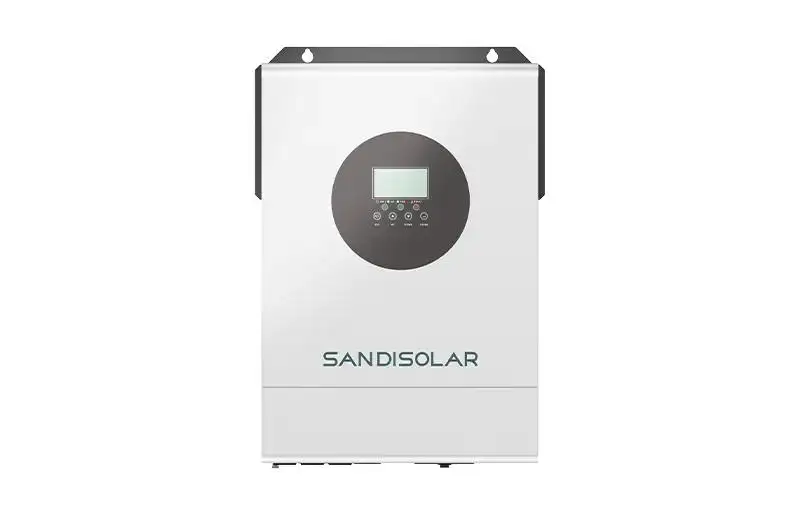
48V 6kW позамережевий інвертор: чому акумуляторні системи на 48V є поширеними для сонячних систем з високою потужністю
31 серпня 2026 року
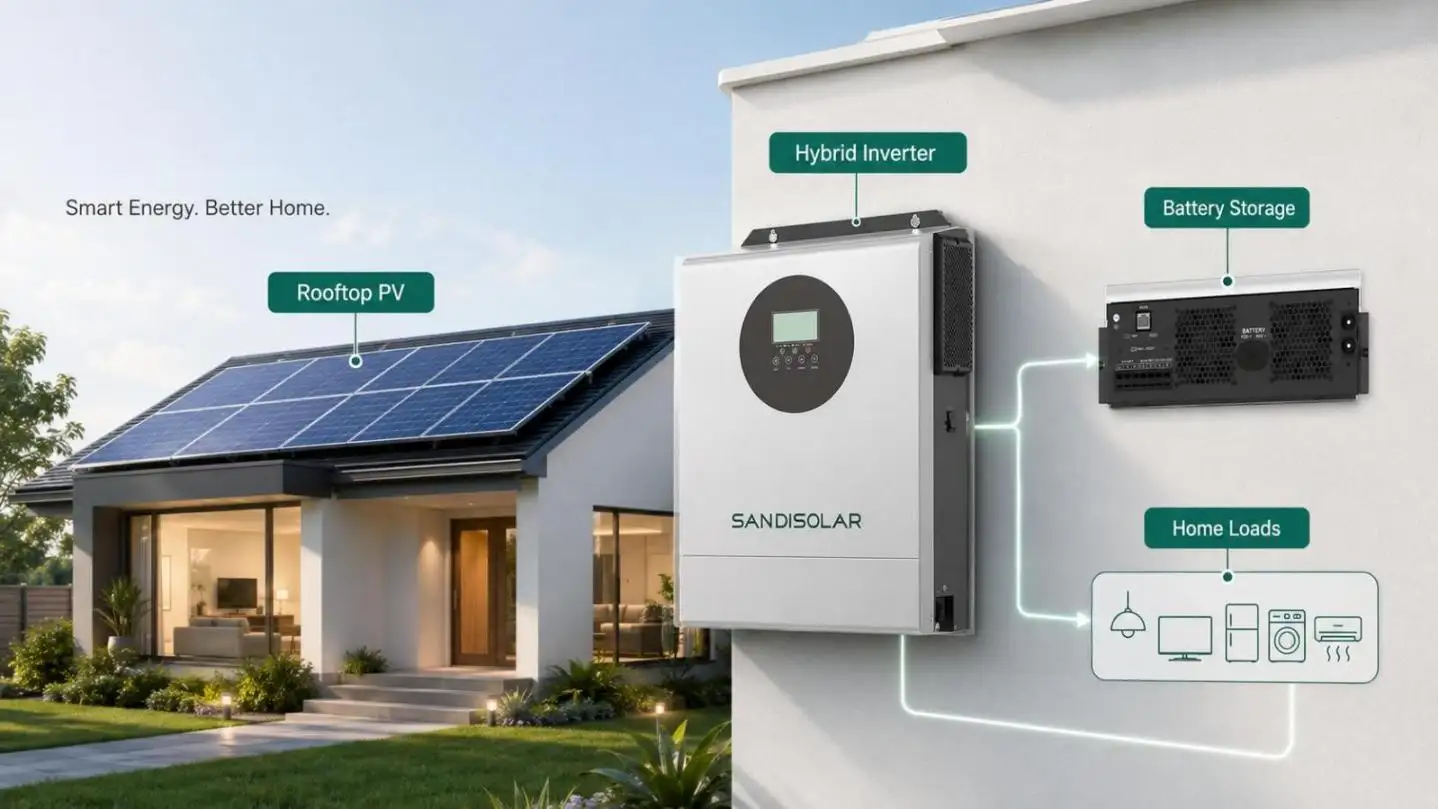
Встановлення сонячних систем у житлових будинках: технічне підбор, підбор систем і керівництво з монтажу
31 серпня 2026 року
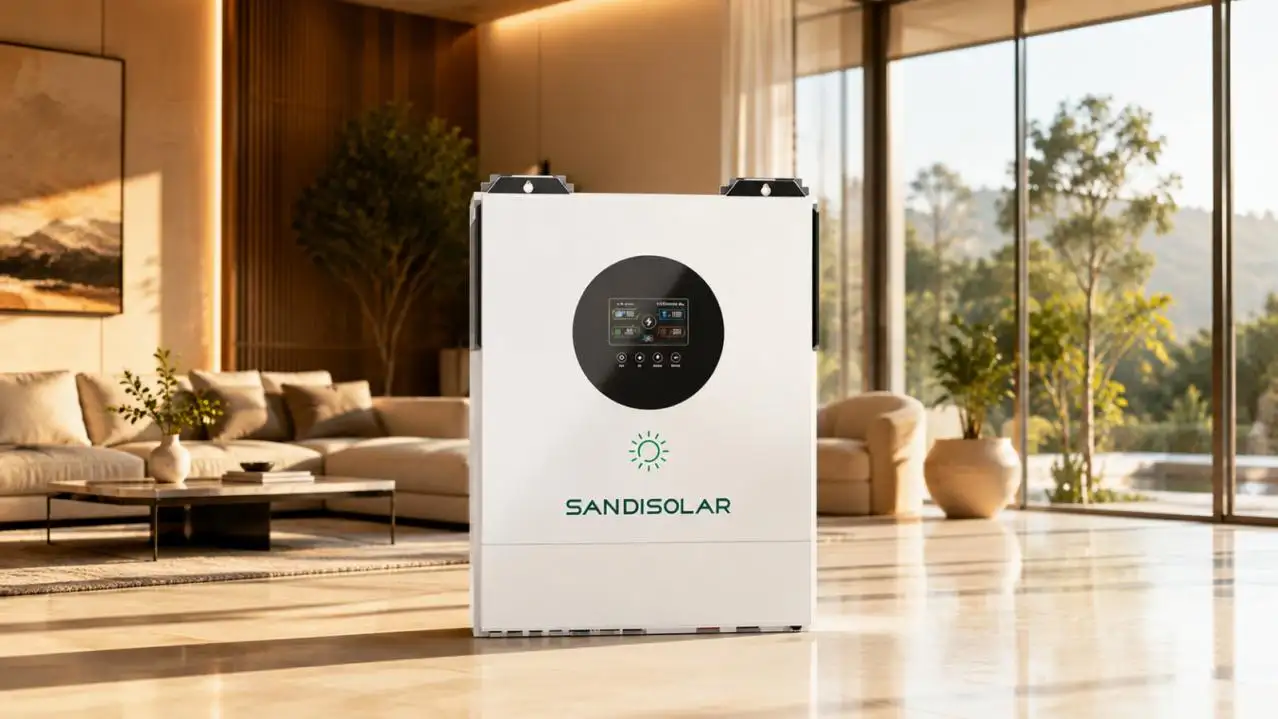
48-вольтовий інвертор для зберігання сонячних батарей: ключові характеристики, які покупці повинні порівняти
27 серпня 2026 року
Інвертор є компонентом перетворення енергії та управління енергією у більшості рішень для зберігання енергії в житлових приміщеннях (RESS), доступних сьогодні. Він підключає сонячні панелі та акумулятори до побутових навантажень, електроенергії та резервних генераторів, забезпечуючи при цьому придатний вихід змінного струму.
Вибір інвертора на основі номінальної потужності може забезпечити обмежене резервне живлення, надмірний струм батареї, недостатню запускову здатність двигунів та погану інтеграцію з фотовольтним масивом. Практичний процес підбору має оцінювати всю енергетичну систему.
З точки зору виробництва SANDISOLAR, правильно налаштовані рішення для зберігання енергії в житлових будинках повинні враховувати шість факторів: навантаження в побутових будинках, потужний попит, напругу батарей, ємність зберігання, сонячне джерело та регіональні потреби в змінному струмі.
Що робить інвертор у житловій системі зберігання?
У рішеннях для зберігання енергії для житлових будинків інвертор має кілька пов'язаних ролей.
• Перетворення постійного струму в змінний струм: інвертор перетворює постійну електрику від батарей і сонячних панелей на змінну електрику, щоб можна було використовувати побутову техніку та пристрої.
• У сонячних енергетичних системах інвертори, оснащені сонячним MPPT, можуть змінювати робочий стан сонячних панелей для оптимізації максимального можливого збору сонячної енергії.
• Регулювання заряджання батареї: інвертор може коригувати напругу та струм до рівнів, необхідних для батареї.
• Передача резервного живлення: інвертор змінює джерело живлення у разі перерви живлення або нестабільного живлення з мережі.
• Інтеграція генератора: інвертор може приймати зарядку від генератора і дозволяти генератору подавати енергію на побутові лінії.
• Комунікація системи: інвертор має відповідні Wi-Fi та комунікаційні порти для моніторингу системи та управління зарядом батареї.
Через взаємозв'язок зазначених функцій інвертор слід обрати під час планування батарейної та фотоелектричної системи.
Крок 1: Визначити профіль навантаження домогосподарства
Перший крок — визначити, які прилади мають працювати під час звичайного використання, а які навантаження потребують резервного підкріплення під час відключення електроенергії.
| Категорія навантаження | Типові приклади | Головне питання підбору |
| Основні навантаження | Освітлення, роутери, холодильники | Безперервна робоча потужність |
| Навантаження на мотор | Насоси, компресори, кондиціонери | Сплеск запуску |
| Нагрівне навантаження | Чайники, духовки, водонагрівачі | Високий безперервний попит |
| Чутливе обладнання | Комп'ютери, телевізори, системи керування | Якість вихідної хвилі |
| Опціональні навантаження | Зарядні пристрої для електромобілів, великі системи HVAC | Ємність акумулятора та інвертора |
Безперервний вихід інвертора має підтримувати сумарну робочу потужність приладів, які можуть працювати одночасно.
Розумна операційна маржа також корисна, оскільки попит на прилади може змінюватися під час щоденного використання.
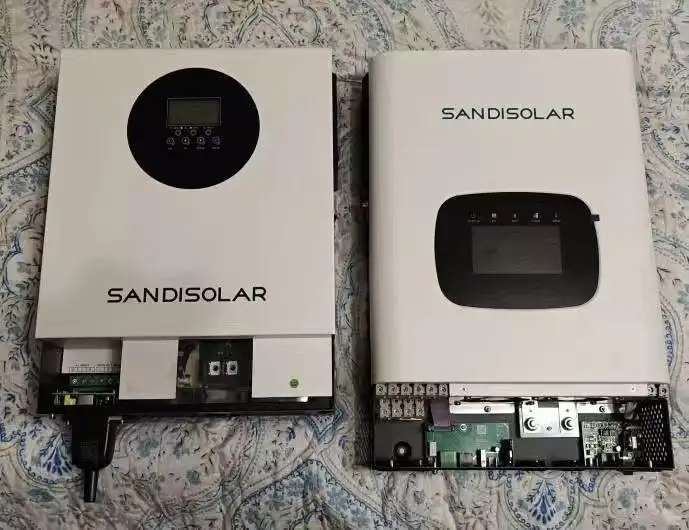
Крок 2: Оцініть безперервний і потужний вихід
Безперервний вихід описує обсяг споживання, який інвертор може обробити під час регулярних операцій. Вихід перенапруги, натомість, описує обсяг витрат, необхідний для запуску обладнання, яке має двигуни або компресори.
• Номінал безперервного виходу: Номінал безперервного виходу має перевищувати очікувані максимальні навантаження just-in-time, які були б безперервними.
• Потужний показник перенапруги: Номінал вихідного перенапруги має бути достатнім для врахування коротких пікових пускових струмів насосів, холодильників, кондиціонерів, а також електроінструментів.
• Вантажопідйомність двигуна: Це забезпечує опис на основі застосування при виборі інвертора для обладнання з індуктивними навантаженнями.
• Можливе розширення за рахунок паралельної підтримки: це дозволяє певним рішенням для зберігання енергії в житлових приміщеннях розширюватися у міру зростання попиту в домогосподарстві.
Прикладом є лінійка продуктів SANDISOLAR, яка забезпечує 3 кВт і 4,2 кВт для малих систем, 6,2 кВт і 7 кВт для середніх житлових навантажень, а також 11 кВт і 12 кВт для великих систем. Вибір розміру має базуватися на фактичному попиті на навантаження, а не на розмірі будинку.
Крок 3: Переконайтеся, що напруга інвертора та акумулятора вирівняні
Інвертор і батарея мають бути в однаковому діапазоні за сумісністю напруг постійного струму.
Поширені житлові акумуляторні платформи
• Системи 24V: Менші резервні навантаження з інвертором середньої потужності зазвичай забезпечуються цими системами.
• Системи 48V: Ці системи зазвичай використовуються у середніх і великих житлових системах, і при однаковій вихідній потужності ця система зменшує постійний струм.
• Високовольтні системи: ця система може стати основою більшої модульної системи зберігання, але потрібен спеціальний високовольтний інвертор.
Через свою конструкцію інвертор потужністю 6,2 кВт, який споживає енергію від 48V батареї, зазвичай споживає менше постійного струму, ніж подібний інвертор, який споживає енергію від батареї 24V. Результатом меншого струму є менше нагрівання, менше падіння напруги та можливість використання дроту меншої товщини. Однак усі електромонтажні роботи мають відповідати відповідним електричним стандартам.
Крок 4: Змініть розмір батареї відповідно до бажаного часу резервного копії
Щодо систем зберігання енергії для житлових будинків, «живлення інвертора» та «живлення від батареї» не означають одне й те саме.
• Потужність інвертора (кВт): Найвища потужність інвертора.
• Енергія батареї (кВт·год): максимальна енергія, яку можна зберігати в батареї.
• Корисна глибина розряду: Кількість енергії батареї, яка може використовуватися під час нормальної роботи системи.
• Ефективність перетворення: Стосується втрати енергії, що відбуваються в інверторі, батареї, проводці та на пристроях кінцевого використання.
Великий інвертор, підключений до невеликої батареї, може працювати з потужними приладами, але лише короткий час. Навпаки, велика батарея в парі з невеликим інвертором може забезпечити тривалий час резервного живлення, але не може підтримувати кілька потужних навантажень одночасно.
Крок 5: Узгодьте PV масив із MPPT входом
Сонячна батарея повинна залишатися в межах вхідних обмежень інвертора.
| Параметр PV | Вимога до відповідності |
| Максимальна напруга PV | Напруга в розриві масиву має залишатися нижчою межі інвертора |
| Діапазон напруги MPPT | Нормальна робоча напруга має залишатися в межах діапазону MPPT |
| Максимальна потужність PV | Місткість встановлених панелей має відповідати підтримуваному PV входу |
| Вхідний PV струм | Струм у струнах повинен залишатися в межах дозволеного вхідного значення |
| Кількість MPPT | Декілька MPPT можуть керувати масивами з різними орієнтаціями |
Вибрані позамережеві інвертори SANDISOLAR підтримують вхідні напруги PV до 500V або 550V. Модель SD-PRO 12 кВт має два MPPT-канали і здатна обробляти 18 000 Вт PV входу, тоді як SD PRO 6,5 кВт має один MPPT-канал і здатна працювати з 9 000 Вт PV входу.
При проєктуванні струни слід враховувати підвищення напруги при зниженні температури, а також умови в місці встановлення.
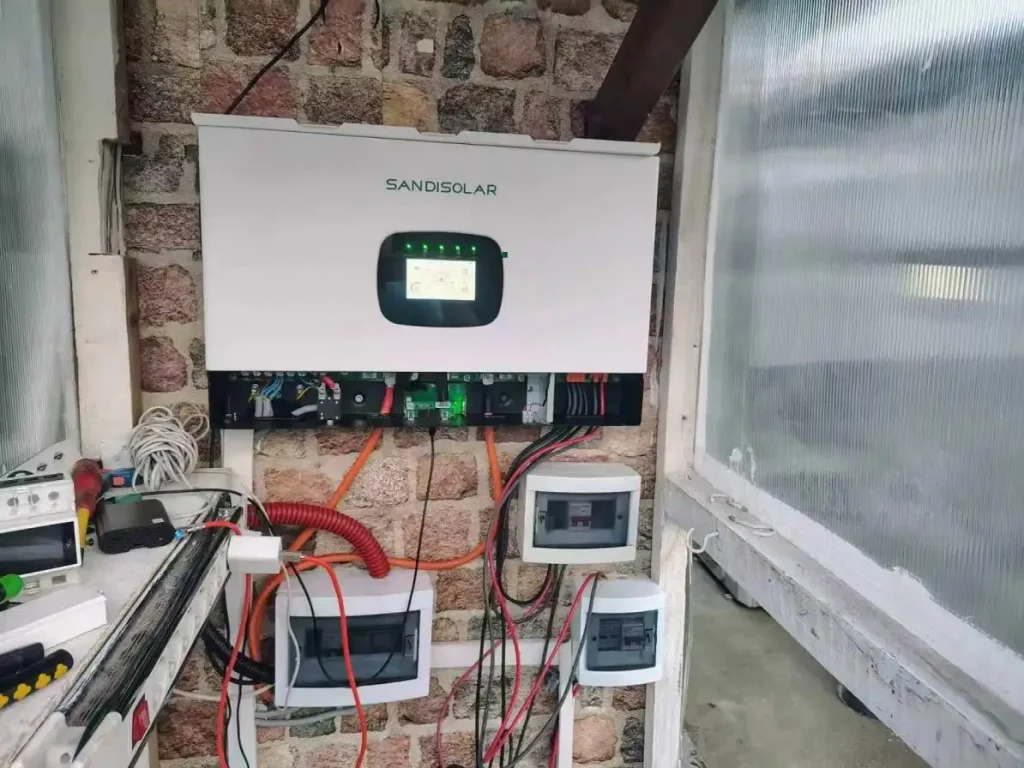
Крок 6: Виберіть відповідний стандарт кондиціонера
Планування електросистем у побутових будинках не є однаковим у різних регіонах.
• 230V однофазний вихід: поширений у ЄС та багатьох міжнародних житлових ринках.
• 120/240V розділений фазовий вихід: Поширений у багатьох будинках Північної Америки.
• 50 Гц або 60 Гц: Частота інвертора має відповідати приладам і електричной системі місцевості.
• Вихід чистої синусоїди: для електронного та електричного обладнання домогосподарства, включно з двигунами, чутливими до форм хвиль.
SANDISOLAR має моделі, орієнтовані на ринок ЄС з однофазним виходом, а також моделі для США з розділеним виходом, зокрема SD-4872WP-US та SD-48120WP-US.
Інші функції, які можуть додати цінність
Сучасні житлові рішення для зберігання енергії також можуть мати:
• Регульовані параметри заряду: щоб зробити заряд інвертора сумісним із зарядженням літієвих батарей.
• Короткий час передачі: Щоб зменшити переривання критичних навантажень у будинку.
• Робота без батарейки: За певних умов роботи кілька вибраних моделей можуть підтримувати навантаження як від PV, так і від AC без підключеної батареї.
• Підтримка генератора: Подальше заряджання можна здійснювати від генератора в зонах із ненадійною мережею через регульований вхід змінного струму.
• Вбудований моніторинг: з Wi-Fi, портами зв'язку та доступними даними про систему можна перевіряти статус.
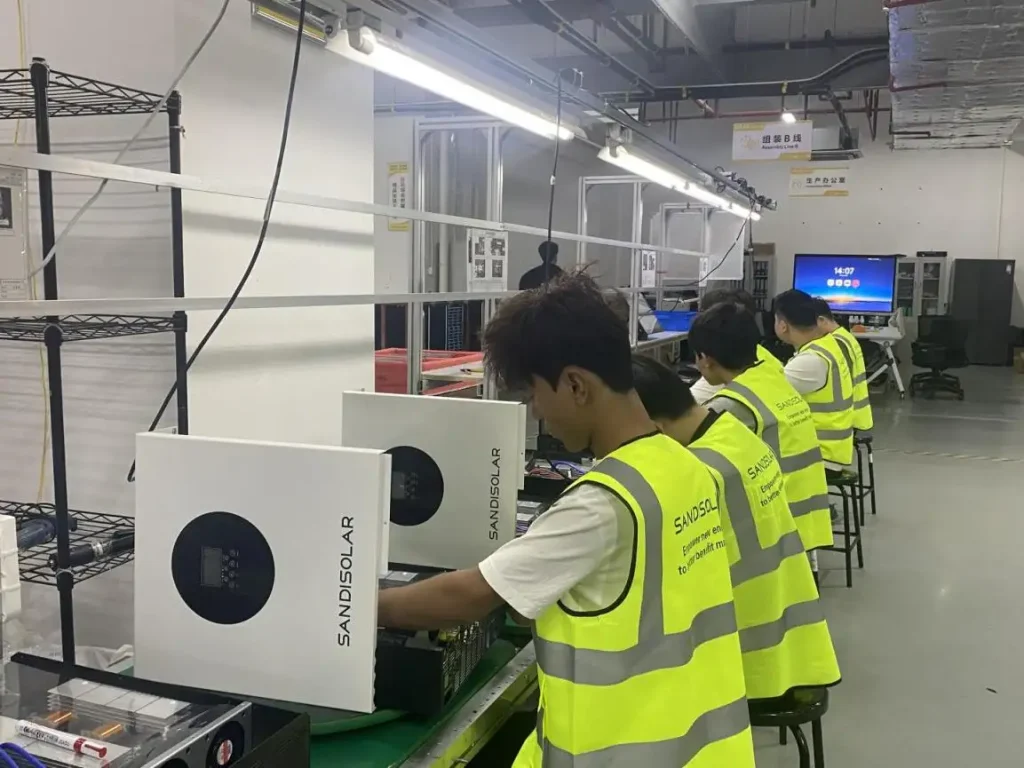
Стратегія підбору систем SANDISOLAR
SANDISOLAR спеціалізується на розробці Позамережеві та гібридні інверторні системиякі підтримують різні навантаження, фотоелектричні системи, напруги батарей та регіональні стандарти змінного струму.
Нижче наведено короткий огляд її професійного досвіду:
• Оцінка на рівні системи: розуміння взаємозв'язків між домашніми системами та компонентами: інверторами, батареями, фотоелектричними масивами, навантаженнями тощо.
• Кілька енергетичних платформ: моделі варіюються від невеликих житлових резервних систем до великих енергосистем.
• Інтеграція літієвих батарей: доступні різні конфігурації з змінними налаштуваннями та опціями інтерфейсів.
• Кілька джерел енергії: доступні джерела енергії від сонячної енергії, мережі, батарей і генераторів залежно від умов на об'єкті.
• Контроль і інтеграція систем енергоменеджменту: кілька варіантів керування та інтеграції.
Потужність — не єдиний важливий критерій для вибору інвертора для системи зберігання енергії в побутових приміщеннях. Постійні та пікові вимоги домогосподарства, конфігурація та тип батарей і сонячних пристроїв, а також бажаний час резервного живлення також відіграють важливу роль у виборі інвертора.
Поширені питання
Питання 1. Чи може інвертор поза мережею працювати без батарей?
Деякі моделі можуть працювати з сонячним та змінним струмом без батарей за відповідних умов.
Питання 2. Чи повинні інвертор і батарея мати однакову потужність?
Їх потрібно вирівняти, однак обидві вимірювані в різних одиницях. Живлення батареї — у кВт·год, а потужність інвертора — у кВт.
Питання 3. Чи можна підключити батарею на 24V до інвертора на 48V?
Ні. Вони мають бути в межах одного діапазону напруг.
Питання 4. Чому важливо мати рейтинг потужності на перенапругу?
Потужність перенапруги важлива для запуску навантаження, такого як насос або холодильник, який приводиться в рух мотором.
П5. Яка роль MPPT у рішеннях для зберігання енергії в житлових приміщеннях?
Роль MPPT полягає у збільшенні кількості сонячної енергії, яку можна захопити та використати, оптимізуючи умови роботи сонячних панелей.


Зв'яжіться з нами
Пов'язані дописи
48V 6kW позамережевий інвертор: чому акумуляторні системи на 48V є поширеними для сонячних систем з високою потужністю
31 серпня 2026 року
Встановлення сонячних систем у житлових будинках: технічне підбор, підбор систем і керівництво з монтажу
31 серпня 2026 року
48-вольтовий інвертор для зберігання сонячних батарей: ключові характеристики, які покупці повинні порівняти
27 серпня 2026 року