Потрібні телекомунікаційні вежі Стабільна потужність щоб зберегти Голосові, дані та мережеві послуги Біг.
Це складніше у віддалених місцях, де може бути доступ до мережі слабким, нестабільним, дорогим або відсутнім. У цих сайтах Позамережевий інвертор для телекомунікаційних веж часто є частиною енергосистеми.
Для операторів телекомунікацій, системних інтеграторів і розробників інфраструктури виклик полягає не лише у виробництві електроенергії. Це підтримка сайту в інтернеті з обладнанням, яке працює в польових умовах, під Зміна навантаження та погодні умови.
Ось основні моменти цієї статті:
01
Чому віддалені об'єкти потребують незалежного електропостачання
02
Як інвертор підтримує навантаження змінного струму
03
Які характеристики мають найбільше значення
ЧОМУ
Чому телекомунікаційні вежі потребують автономного живлення
01
Телекомунікаційні вежі часто будують там, де є громадська мережа Обмежені або ненадійні. Сільські території, гори, пустелі, острови, прикордонні райони та промислові коридори створюють проблеми з електроенергією.
Навіть коли електроенергія в мережі існує, Коливання напруги, відключення та високі витрати на електроенергію може впливати на сервіс.
Система живлення телекомунікаційної вежі має підтримувати
• Безперервна робота з мінімальним простоєм
• Стабільний вихід для чутливого комунікаційного обладнання
• Ефективне використання сонячної та акумуляторної системи
• Резервне живлення вночі або погану погоду
• Нижчі експлуатаційні витрати протягом усього терміну служби об'єкта
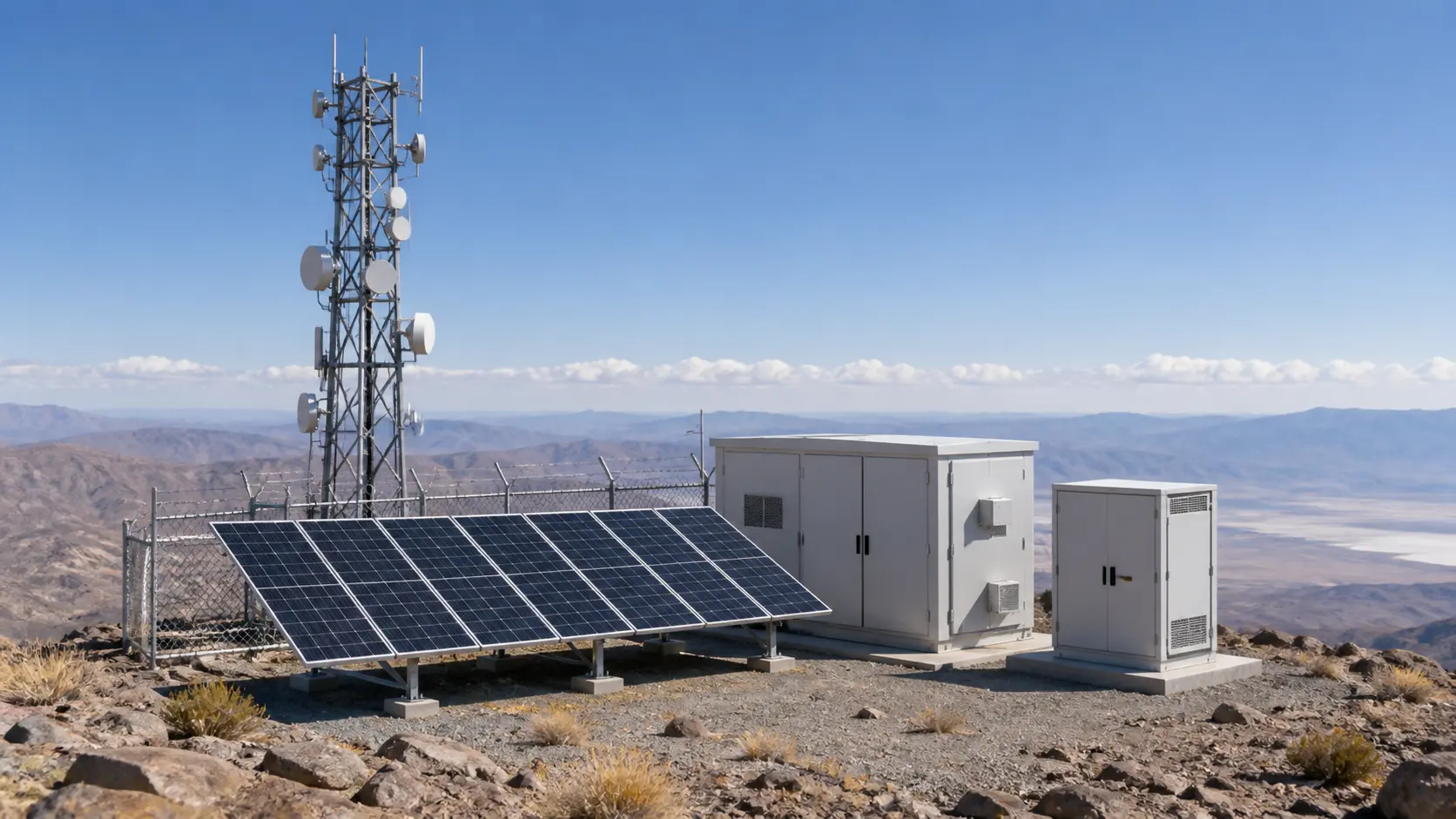
— Інфраструктура віддаленої телекомунікаційної вежі з сонячною батареєю, корпусом для батареї та інверторним корпусом для автономної роботи, 1600x900
Інвертор — не єдиний пристрій живлення в системі, але він все одно важливий. Підтримує навантаження змінного струму, такі як Пристрої моніторингу, освітлення, кондиціонування повітря в укриттях, системи безпеки та інструменти для обслуговування.
У гібридних налаштуваннях це також працює з Сонячна генерація, зарядка батарей і резервне живлення генератора.
ФУНКЦІЯ
Що робить інвертор поза мережею в системі телекомунікаційної вежі
02
Позамережевий інвертор перетворює Постійне живлення у придатне живлення змінного струму без залежності від електромережі.
У телекомунікаційних вежах це має значення, оскільки багато віддалених систем починаються з батареї, сонячні панелі або випрямлені постійні джерела живлення.
Добре спроєктована інверторна банка
• Перетворити живлення батареї на чистий вихід змінного струму
• Підтримка телекомунікаційних укриттів і допоміжного обладнання
• Працюйте з контролерами сонячного заряду та батарейними банками
• Підтримуйте стабільний вихід під час змін навантаження
• Покращення енергоменеджменту в гібридних енергетичних системах
На практиці інвертор розміщується всередині більшої автономної електромережі. Мета — не просто забезпечити енергією вежу на короткий час. Це створення системи, яка надійно працює день за днем Реальні умови ділянки.
Для телекомунікаційних майданчиків важлива якість виходу. Чутливе обладнання може зазнавати впливу Погана якість хвилі, нестабільна напруга або слабке витривалість перенапруги.
Ось чому багато операторів віддають перевагу Чистий синусоїдоїдальний позарештовий інвертор для електросистем телекомунікаційних веж.
КОНТРОЛЬНИЙ СПИСОК
Ключові вимоги для телекомунікаційних веж
03
Не кожен інвертор підходить для телекомунікаційної інфраструктури. Квартира, що працює в будинку або невеликому комерційному приміщенні, може бути недостатньою для розташування вежі.
Вихід чистої синусоїди
Телекомунікаційне обладнання та системи підтримки працюють краще з використанням чисте, стабільне змінне живлення. Чистий синусоїдальний вихід знижує ризик перешкод, перегріву або передчасного зносу.
Висока ефективність
Віддалені майданчики часто залежать від Обмежена генерація сонячної енергії та накопичена енергія від батареї. Вища ефективність перетворення допомагає зберігати енергію та подовжувати час роботи.
Широкий діапазон введення постійного струму
Напруга батареї змінюється залежно від стану заряду та впливу погоди на систему. Широкий діапазон введення постійного струму дозволяє інвертору працювати більш надійно.
Можливість перенаслідування
Деякі навантаження на об'єктах, особливо кондиціонування повітря, насоси або обладнання для запуску, потребують коротких імпульсів більшої потужності. Інвертор має справлятися з ними без зайвих спрацьовувань.
Віддалений моніторинг
Операторам телекомунікацій потрібна видимість. Віддалений моніторинг, звітування про сигналізації та відстеження стану допомагають командам виявляти несправності до того, як вони переростуть у відключення.
Надійне теплове проєктування
Телекомунікаційні вежі можуть встановлюватися у спекотних, вологих, запилених або холодних умовах. Інвертор має бути створений для стабільної продуктивності у Суворі умови.
Сумісність батареї
Інвертор має працювати з хімічним хімпіям батареї, який використовується на об'єкті, незалежно від того, чи це літій, свинцево-кислотний або інший варіант.
SOLAR
Інтеграція сонячної системи та батарей для телекомунікаційних веж
04
Багато телекомунікаційних проєктів зараз об'єднуються сонячні фотоелектричні системи, акумулятори та інверторні системи щоб зменшити залежність від дизеля. Це особливо корисно на віддалених ділянках із високими витратами на паливо або складним доступом.
Типова архітектура електроенергії позамережевого телекомунікаційного живлення може включати
• Сонячні панелі для денного виробництва енергії
• MPPT або контролери заряду для оптимізації заряджання
• Акумуляторний банк для нічного та резервного використання
• Позамережевий інвертор для перетворення в змінний струм
• Резервне живлення генератора для тривалих періодів низького сонця
• Система моніторингу для дистанційного контролю
Головна перевага в тому, що Гнучкість. Сонячна енергія забезпечує денне навантаження, акумулятори покривають нічні та періоди відключень, а інвертор забезпечує стабільне живлення для заряду змінного струму.
Ця модель також може скоротити час роботи генератора. Дизельні генератори залишаються поширеними в телекомунікацій, але вони приносять витрати на транспортування палива, обслуговування, шум і викиди. Система з сонячною батареєю та інвертором може зменшити ці навантаження.
ЗАСТОСУВАННЯ
Де позамережеві інвертори додають найбільшу цінність
05
Позамережевий інвертор для телекомунікаційної вежі є найбільш цінним там, де Надійність електроенергії впливає на якість обслуговування.
Сільські комунікаційні вежі
Віддалені громади потребують мобільного покриття, але доступ до мережі може бути слабким. Автономні системи допомагають підтримувати обслуговування без повної залежності від електроенергії.
Мікрохвильові ретранслятори
Ці об'єкти часто потребують надійного допоміжного живлення для підтримки активних комунікаційних каналів на великі відстані.
Прикордонна та безпекова інфраструктура
Критичні точки зв'язку в зонах безпеки потребують стабільної роботи та меншої кількості перерв у технічному обслуговуванні.
Островні та офшорні об'єкти
Доставка пального може бути дорогою і залежати від погодних умов. Системи сонячних батарей знижують логістичний тиск.
Місця відновлення після катастроф
Тимчасові або резервні телекомунікаційні установки часто базуються на самодостатніх енергосистемах, які можна швидко впроваджувати.
ВИБІР
Як обрати правильний позамережевий інвертор для телекомунікаційної вежі
06
Вибір правильного інвертора — це не лише питання потужності. Телекомунікаційні інженери та закупівлі повинні звернути увагу на повний профіль навантаження та робоче середовище.
Узгодити профіль навантаження
Почніть із переліку кожного навантаження змінного струму, яке має підтримувати інвертор. Включайте стабільні навантаження, пікові навантаження та стартові стрибки. Рейтинг інвертора має охоплювати обидва Безперервний і короткостроковий попит.
Перевірте напругу системи
Підтвердіть, чи використовує сайт 24V, 48V, 96V або іншу архітектуру батареї. Інвертор має відповідати конструкції системи, щоб уникнути проблем сумісності та марної трати енергії.
Розгляньте вимоги до виконання
Якщо сайт має працювати в довгі ночі або хмарні періоди, розмір батареї та ефективність інвертора стають ще важливішими.
Оцінити захист навколишнього середовища
Зовнішні або укриття можуть потребувати міцних корпусів, захисту від пилу, вентиляційної підтримки або регулювання температури.
Шукайте функції моніторингу та керування
Віддалені сигналізації, комунікаційні інтерфейси та телеметрія можуть зменшити кількість відвідувань об'єкта та покращити планування обслуговування.
План майбутнього розширення
Телекомунікаційні вежі часто ростуть з часом. Масштабована інверторна платформа полегшує додавання навантажень, зберігання чи сонячної потужності пізніше.
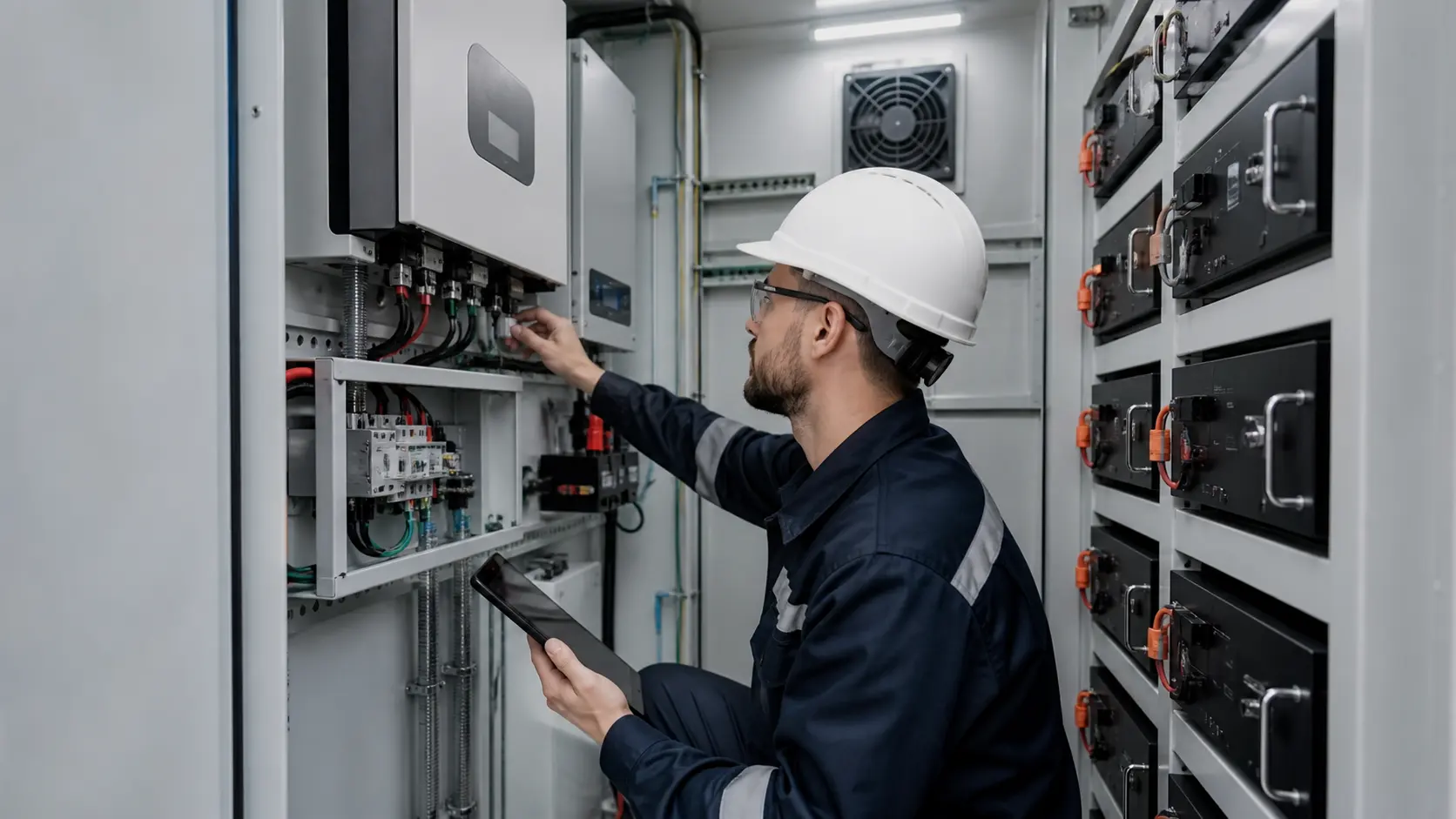
— Інженер, який оглядає панель керування інвертором і акумуляторну систему всередині телекомунікаційного укриття, професійне технічне середовище, 1600x900
ПЕРЕВАГИ
Переваги, окрім резервного живлення
07
Хороший автономний інвертор робить більше, ніж просто утримує світло.
• Покращений час безперервної роботи - Стабільне живлення означає менше перебоїв у роботі, що допомагає захистити клієнтський досвід і репутацію мережі.
• Нижчі експлуатаційні витрати - Менше використання генератора може з часом зменшити витрати на паливо та обслуговування.
• Краща енергетична стійкість - Сонячні батарейні системи з підтримкою інвертора менш піддаються проблемам з подачею палива та відмовам у мережі.
• Чиста робота майданчика - Менший час роботи генератора може зменшити шум і викиди, що має значення поблизу громад або в чутливих середовищах.
• Простіше дистанційне управління - Функції моніторингу та контролю підтримують профілактичне обслуговування та швидку реагування на несправності.
ПОМИЛКИ
Поширені помилки дизайну, яких слід уникати
08
Навіть високоякісний інвертор може працювати гірше, якщо система погано спроектована.
• Зменшення розміру інвертора для завантажень при запуску
• Ігнорування обмежень розряду батареї та розрахунків під час виконання
• Використання неякісних кабелів або слабких захисних пристроїв
• Встановлення без належного управління теплом
• Відсутність планування щодо віддалених сповіщень і доступу до технічного обслуговування
• Вибір обладнання, яке не підходить для зовнішніх або суворих умов
Надійна телекомунікаційна система живлення залежить від взаємодії між інвертором, акумуляторами, сонячним входом і конструкцією навантаження. Інвертор слід обирати як частину Повна архітектура, не як окремий продукт.
ПЛАНУВАННЯ
Чому позамережеві інвертори підходять для планування енергоспоживання телекомунікацій
09
Телекомунікаційні мережі розширюються у складніші для обслуговування локації, тоді як оператори намагаються контролювати витрати та покращувати сталий розвиток. Це робить автономні та гібридні енергосистеми більш привабливими.
• Розгортання більш дистанційного покриття
• Зростаючий попит на енергоефективну інфраструктуру
• Ширше використання сонячної та батарейної системи зберігання
• Менша толерантність до простоїв у сервісі
• Посилення уваги до операційної стійкості
У міру розвитку телекомунікаційної інфраструктури енергосистеми мають бути простішими для моніторингу та ефективнішими для експлуатації. Інвертор розташований на Центр цієї схеми.
ПОСТАЧАЛЬНИК
Вибір постачальника для телекомунікаційних енергетичних проєктів
10
При закупівлі інвертора для проєкту телекомунікаційної вежі покупцям слід звертати увагу на більше, ніж специфікації продукту. Правильний постачальник повинен розуміти вимоги до телекомунікаційного майданчика, умови поля та інтеграцію системи.
• Технічне регулювання розміру
• Сумісність батарей і сонячної системи
• Стабільна якість продукції
• OEM або проєктна кастомізація
• Оперативна післяпродажна підтримка
• Документація для встановлення та обслуговування
Для покупців телекомунікацій довгострокова надійність системи важливіша за найнижчу початкову ціну.
FAQ
FAQ: автономний інвертор для телекомунікаційної вежі
11
Який розмір позамережевого інвертора потрібен для телекомунікаційної вежі?
Правильний розмір залежить від загального навантаження змінного струму, перенапруги при запуску, напруги батареї та вимог до часу роботи. Спочатку має бути розрахунок навантаження на сайт.
Чи може інвертор поза мережею працювати з сонячними панелями та батареями?
Так. У більшості телекомунікаційних гібридних систем інвертор працює разом із сонячною зарядкою та накопиченням батарей, забезпечуючи стабільне змінне живлення.
Чи чисто синусоїдальний інвертор кращий для телекомунікаційного використання?
Так. Чистий синусоїдальний вихід зазвичай кращий для чутливого телекомунікаційного та допоміжного обладнання, оскільки забезпечує чистішу енергію.
Чи може інвертор замінити генератор?
У деяких місцях так, особливо коли сонячна та акумуляторна ємність розраховані на повне навантаження. У багатьох проєктах інвертор працює разом із генератором як частина стратегії резервного копіювання.
Яка основна перевага використання автономного інвертора на телекомунікаційній вежі?
Головна перевага — надійне електропостачання там, де мережа недоступна або нестабільна, з кращою енергоефективністю та меншою залежністю від палива.
Позамережевий інвертор для телекомунікаційних веж — це більше, ніж просто пристрій для перетворення електроенергії. Це основна частина Надійна телекомунікаційна енергетична система. При правильному виборі та інтеграції він підтримує стабільну роботу, зменшує залежність від дизельного пальця та допомагає підтримувати обслуговування у віддалених або складних місцях.
Для власників веж, команд EPC та інтеграторів електроенергії телекомунікаційних систем найкращі результати досягаються завдяки узгодженню продуктивності інвертора з Стан майданчика, вимоги до навантаження та плани розширення. За правильного дизайну електроенергія поза мережею може підтримувати як щоденну роботу, так і довгострокове планування.
Якщо телекомунікаційному проєкту потрібне надійне позамережеве живлення, інвертор слід обирати з такою ж увагою, як і решту обладнання на об'єкті.